
Liberating Nature
Social Ecology, Human Nature, and Hierarchy

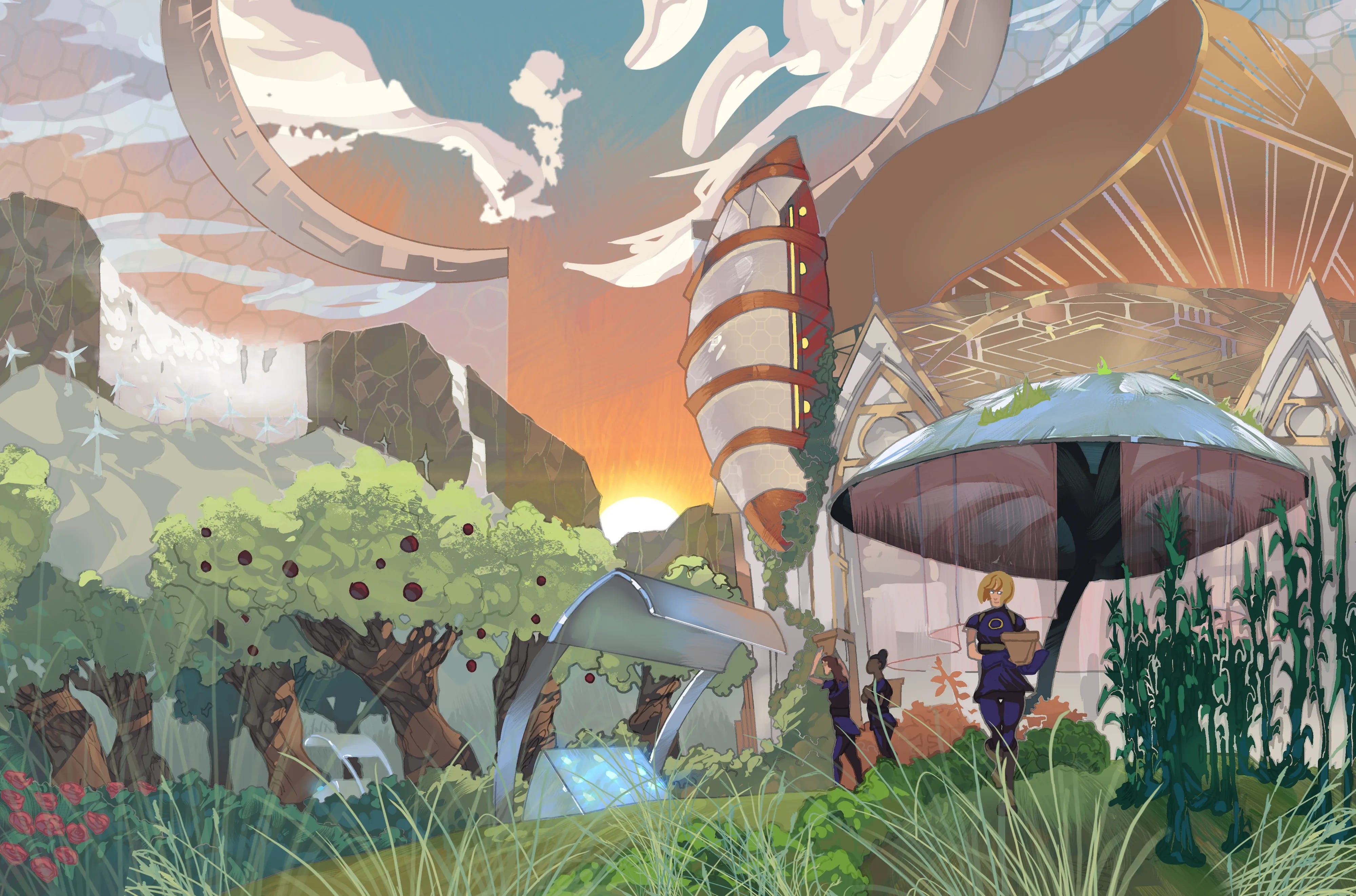
This essay takes inspiration from Leslie Fluette’s excellent video on Social Ecology, Human Nature and Hierarchy.
The ecological crisis the Earth faces is more than just pollution or climate change. Rising greenhouse gases, disappearing forests, soil erosion, and species vanishing from the planet are all connected to the way humans organize societies. Murray Bookchin’s social ecology argues that the way we treat nature reflects how we treat one another. Societies built on hierarchy, domination, and competition exploit both people and the environment. Communities that focus on cooperation, empathy, and shared responsibility live harmoniously with the world around them. Understanding this connection matters because we cannot heal the environment without changing the way we live together. Environmental destruction and social inequality go hand in hand.
Dialectical Naturalism
Dialectical naturalism is Bookchin’s way to explain how nature and society relate to each other. Nature is dynamic and evolving all the time. Humans come from it, but society adds rules, organization, and ethics. Bookchin calls the natural world first nature and the human-built world second nature. Hierarchy and domination are not inevitable. They appear when social systems are built to centralize power. If we look at society as part of nature, it becomes clear that the way we organize ourselves shapes the world around us. If we change society, we change our relationship with the environment.
Human Nature and the Myth of Hierarchy
It is assumed that hierarchy and competition are natural for humans. But studies of early human societies show the opposite. Cooperation, empathy, and mutual aid were the backbone of survival. Hierarchies with rigid top-down control are a human invention designed to keep power in the hands of a few. While animals display temporary dominance behaviors, human hierarchies are deliberately structured to endure. Claims that hierarchy is natural often serve to justify inequality and protect those in power. Understanding that hierarchy is socially created allows us to imagine communities built on equality and shared responsibility instead of domination.
Social Relations and Nature
The way societies treat nature often mirrors how they treat each other. Communities built on equality tend to see nature as connected and relational. Societies built on hierarchy treat it as something to control. Market systems turn rivers, forests, and soil into commodities, encouraging exploitation. Environmental problems are not caused by technology or human needs alone. They come from social systems that value domination, growth, and competition over human and ecological well-being. If we want to solve ecological problems, we need to look at how we organize society, not just how we use resources.
Free Nature and Ecological Freedom
Bookchin’s idea of free nature imagines humans living in sync with the environment. It points to the possibility of ecological freedom. Free nature happens when humans use reason, ethics, and technology to support life rather than destroy it. Technology can help if it is used for cooperation rather than control. Ecological freedom comes from changing the way we relate to each other and the natural world. Communities that are democratic, decentralized, and guided by care and cooperation are central to this vision. Free nature is not only about saving forests or rivers. It is about creating social systems where humans and the environment thrive together.
Ecological destruction and social domination are deeply connected. Dialectical naturalism shows that hierarchy, not human nature or technology, is at the root of many environmental problems. Fixing the planet requires changing the way society works. Cooperation, mutual aid, and shared responsibility are essential. Bookchin’s vision of free nature shows that humans and ecosystems can coexist in a way that allows both to flourish. Reimagining our social systems and our relationship with the natural world is not just possible but necessary if we want a future where both humans and the environment can thrive.
References
Bookchin, Murray. The Ecology of Freedom: The Emergence and Dissolution of Hierarchy. AK Press, 2005.
Bookchin, Murray. The Philosophy of Social Ecology: Essays on Dialectical Naturalism. Black Rose Books, 1990.
Fluette, Leslie. Social Ecology, Human Nature, and Hierarchy. YouTube, 2018.
Note: Written in collaboration with AI.